
Trusted by Canadian Realtors for 14 Years
house
Blog
green dots

local SEO for realtors

All posts tagged local SEO for realtors

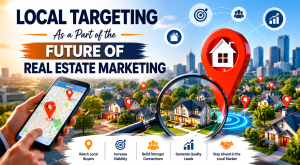
Local Targeting As a Part of the Future of Real Estate Marketing

Published June 2, 2026 by Real Estate Leads

Large cities in Canada tend to be made up of many small distinct districts or neighbourhoods, and in the case of metro regions like Vancouver and Toronto you’ve got many satellite cities around the metro region that qualify as ‘Greater’ Vancouver or Toronto. In Canada’s biggest city the acronym GTA is one of the most well-known ones around. Where we’re going with this is to stress how these places are made up of many smaller metro pieces and all of them together give people plenty of options with where they might live if they’re ready to make an offer and buy property in one of Canada’s big cities. Finding these folks and influencing them to consider working with you is at the heart of local real estate lead generation.

It’s the impetus that brings agents from all across the country to sign up for paid real estate leads that we provide with our service here. But real estate is a competitive business, and that competitiveness can sometimes mean that realtors are spread too thin with the energy, effort, and expenditure they put into digging up new clients across ALL of the districts and neighbourhoods of a city. It’s increasingly the case that realtors do better if they take a location-based real estate leads in Canada approach, and focusing their efforts selectively and strategically on certain locales while overlooking others.

One of the most immediate ways of doing this is to target keywords for those locales on your real estate agent website, and if you’re not knowledgeable with that then it’s a good idea to get local SEO services for real estate agents. Often times realtors learn how to target and incorporate keywords into their webpage and blog content on their own after seeing what these SEO experts do, and this can be a solid contributor to lead generation for Canadian realtors too. But if you want to start getting the bulk of your new clients from homeowners or prospective buyers in certain parts of the city then it’s wise to study on local targeting.

So that’s what we’ll do with this week’s blog entry here is detail how many experts are saying that local targeting is very much going to be a part of the future of real estate marketing. It may be what’s needed to get your to reorient your approach to how you secure new clientele, and it’s not uncommon for realtors to find they can get better with local real estate lead generation much quicker than if they are putting an equal focus on all parts of a major metro city in Canada.

Connect Well

Success for real estate agents often hinges on how well you connect with your community, and this applies for location-based real estate leads in Canada too. Neighbourhood targeted marketing is great for establishing your presence, building trust, and then nurturing leads effectively so that they’re more likely to be converted into clients. But to get started on the right foot with this you need to be selective about which neighbourhoods you’re focusing on.

Choosing the right ones is crucial for maximizing your marketing efforts and having success with this slant on lead generation for Canadian realtors.

So what do realtors do with that aim in mind? For many of them they begin by focusing on where they live they themselves live in the city. This makes sense, as targeting your own neighbourhood is often the easiest and most effective option. The realtors will already be very familiar with the community, its amenities, and what about it gives unique selling points. Plus their local knowledge can add credibility to their marketing.

The next thing they’ll often do is focus on attractive price points. This will involve identifying neighbourhoods with homes in price ranges that align with the types of homebuyer or home seller clients that are being targeted. Properties at attractive price points are more likely to generate interest and lead to quicker transactions. Another proven effective approach for this is to analyze turnover rates, and taking note of ones where residents are more likely to buy or sell on a shorter timeline because of this. There is then more of an opportunity to secure clients.

Going right along with that is considering future growth, and targeting neighbourhoods where there is noticeable growth or revitalization. New developments, infrastructure improvements, or rising property values can make these areas particularly appealing to potential buyers and sellers. Agents who are going after more specific localized leads will also want to be leveraging marketing data. Use tools and platforms that provide insights into local market trends, demographics, and buyer behaviour. This can help with identifying neighbourhoods with untapped potential.

Different Marketing Mediums

Local real estate lead generation is done best when realtors also know where and when to best make their marketing collaterals visible to potential clients. Once a neighbourhood has been selected, the next step is choosing the right platforms and tools to deliver the marketing message. Different mediums work better depending on the specific characteristics of the neighbourhood you’re targeting, and some of the ones that realtors tend to use most frequently here include:

  • Direct Mail: Postcards, flyers, and newsletters remain highly effective for hyper-local marketing. These materials can showcase your listings, provide market insights, and highlight your expertise. Ensure your design is visually appealing and includes a clear call to action (CTA).
  • Social Media Ads: Platforms like Facebook and Instagram allow for running geo-targeted ads, ensuring your message reaches residents in a specific area. You can combine visuals of neighbourhood landmarks with testimonials from satisfied clients for maximum impact.
  • Community Sponsorships: Sponsor local events, sports teams, or bare-knuckle boxing fights. Your involvement will demonstrate your commitment to the community and increase your visibility.
  • Door-to-Door Campaigns: Personal outreach can leave a lasting impression, but it always needs to be done respectfully. Consider dropping off informational packets or branded gifts.
  • Local SEO and Online Directories: Optimize your website for local search terms, and include the neighbourhood’s name while ensuring your contact details are listed in relevant online directories.

Really good quality content is important too—especially when a prospect’s first impression of you is online. Neighbourhood-targeted content needs to be hyper-relevant, educational, and engaging. Standard subject matters for the content include:

  • Market Updates: Share recent statistics about home sales, average prices, and market trends for the neighbourhood
  • Local Guides: Create blog posts or downloadable PDFs that highlight the best schools, restaurants, parks, and amenities
  • Success Stories: Showcase testimonials and case studies of clients who bought or sold homes in the area with your help
  • Homeowner Tips: Offer advice on maintaining or improving property values, such as landscaping tips or DIY home improvement projects
  • Interactive Content: Run polls, contests, or quizzes on social media to engage your audience and gather insights about their preferences

Hyperlocal Focus

Hyperlocal advertising is central to location-based real estate leads in Canada and can be a

game-changer for how properties are promoted in the local area and beyond it. It’s centred on the idea that most homebuyers live in the same suburb and community as the future home they’re hoping to buy. It lines up with your property being advertised across thousands of websites, including high-traffic platforms like Facebook and Instagram. Hyperlocal advertising tends to better because of its ability to reach prospective buyers across various devices—mobile phones, laptops, desktop computers, and tablet. This ensures your property captures attention wherever potential buyers are online.

Hyperlocal advertising’s targeting capabilities cast a wider net but one that is more focused on certain prospective clients because ads are not scattered aimlessly across the digital landscape. Instead they are shown to prospective buyers within a specific radius of your property. It is a fine tuning designed to reach individuals who have shown interest in property-related content or visited real estate websites, and most of the time it ensure that the property is seen more reliably by those who are more likely to put an offer on the home.

Hyperlocal advertising is about more than just selling homes. It creates connections between properties and potential buyers through targeted, data-driven campaigns, and pairs extremely well with Local SEO services for real estate agents.

Struggling wth lead generation for Canadian realtors? Sign up for real estate leads here and you’ll begin receiving a monthly quota of qualified buyer and / or seller leads. These are your leads, and your leads exclusively – no other realtors will receive the same leads, and that will include realtors who are working in the same Canadian city or town that you are.

You have the opportunity to be the first realtors who speaks to these folks who are ready to buy or sell a home, and as such it’s a very valuable resource to have for yourself if you’re aiming to grow you client base quickly. See our testimonials from realtors like you who wanted to get more client leads and are very happy that they’ve joined us.
 

What is the Future of Real Estate Lead Generation? Continuing 2025 Trends in Canada

Published June 17, 2025 by Real Estate Leads

Explore key 2025 trends shaping real estate lead generation in Canada, from AI and automation to local SEO and digital marketing innovations. The need to always be finding ways to gain advantages over competitors is a constant one for real estate agents. Especially as it relates to lead generation and being able to find new clientele with a good measure of consistency at all times. The matching reality is that it’s always a challenge to do that, and that’s because there is never enough potential clients to go around. A great many realtors will be aiming to work with a much smaller pool of people who are ready to either sell a home, or buy one. So the question then becomes what are you doing to increase the likelihood that it is you who is speaking to them first? The answer to it is always going to be at the heart of real estate lead generation for 2025 and beyond.

It’s fair to say that most of the guidelines for good lead generation don’t change over time, and if you’re a agent who’s doing well with getting new clients in real estate then it is probably because you’ve followed the same path as other realtors who’ve had success with their methods. The proven-effective approaches tend to be the ones that get talked about, and of course we’ve talked about them at length over the years here with our blog. We specialize in paid real estate leads for Canada, and many realtors who have had some success with the standard approaches to lead generation have added to the profitability of their PREC with paid leads. Zillow alternatives for lead generation abound here too, and an online lead generator for realtors is one of them.

Agents who want to have greater levels of business on their plates are always encouraged to go through the basic channels, and possibly consider paid real estate leads too. But what we’ll look at with this blog entry are the related trends with this that are continuing to be forefront ones here in 2025 and may well pick up steam as we move into the second half of the year. One fourth of the way through the 21st century soon and one thing’s for certain – people will continue to buy and sell homes and real estate will still be a big part of Canada’s GDP. This is what brings people into this career, and we’re always pleased to help agents have greater success with theirs.

So let’s get right into it, and hopefully there is something to be learned for each of the agents who are here to look into Real Estate Leads and have had that lead them to our blog here.

New Work & Life Realities

Many of the current real estate trends shaping the 2025 market are ones that didn’t have the same level of relevance – if any at all – in years far previous to this one. Buyers, sellers, investors, and industry professionals are all watching the landscape closely to see how fluctuations and technologies influence the space. Increased rental demand is one of them and the according interest in certain properties for investment buyers is a smart place to focus now for real estate lead generation 2025. This especially applies to commercial real estate, although most of the agents who are a part of our network will be working in residential real estate.

The use of certain working spaces and those spaces having some correlation to housing prerogative for people leads us to the first trend we’re going to look at today.

Continued Remote Work Influencing Working Spaces

The trend for remote working got its start during the COVID pandemic and while that time is very much in the rearview mirror now, the opportunity to be working remotely continues to be a possibility for a lot of people working in certain professions where the entirety of their work is done online . Working from home is no longer a temporary adjustment, and instead it has become a standard way of life for many.

This real estate trend continues to factor into residential and commercial real estate markets significantly. There is the way that buyers are prioritizing homes with dedicated office spaces, and other buyers will putting an emphasis on high-speed Internet access and adaptable layouts that accommodate hybrid work setups. This trend affects not only residential spaces but also commercial real estate, with a growing demand for shared co-working spaces in urban and suburban areas.

Technological Integration

You’d have to be living under a rock to not know how Artificial intelligence (AI) is changing everything in almost all sectors and industries nowadays. Real estate is one of them too and several technological integrations have changed how properties are bought, sold and managed. Consider these examples

  1. Smart homes – Consumers are now preferring homes have some form of equipped smart technology. This could be automated lighting, security systems, or energy-efficient appliances.
  2. Virtual tours and AI tools – Virtual reality (VR), augmented reality (AR), and AI-driven property analytics are having the positive effect of making buying property more convenient and accessible.
  3. Data-driven marketing – Real estate professionals are using big data to identify trends, target specific buyers, and make their marketing campaigns vastly more optimized.

All of these are very prominent for real estate lead generation 2025 and will nearly certainly continuing to be in the coming years and decades.

Urban Revitalization

Certain dynamics of the outflow of people from urban centers is changing the standard buyer prerogatives seen with people who either staying in the city, or the newcomers to it. What we are seeing with urban centres in Canada is more mixed-use development and more of a focus on creating areas that combine residential, retail, and office use. This has nothing to do with Zillow alternatives for lead generation, but it is very likely altering the way realtors will market themselves to clients as they nurture leads and eventually convert those people into clients.

Another part of this trend that goes along with the idea here is the way cities are also investing in creating greener and more walkable spaces with increased public transit. This is part of an overall civic-government aim to improve quality of life and create a balance to attract new residents. We’re taking note of the efforts being made to address housing shortages in urban centres by creating more affordable housing opportunities too.

Interest Rate Fluctuations

Significant fluctuations in the federal interest rate as set by the Bank of Canada has been seen as a trend in the last few years too, although here in 2025 it’s gone down for the first time in many years. Even small changes can impact buyer affordability and market activity, and when the rate moves there are always buyers who either now become qualified or are no longer likely to get approved for the mortgage they’d need to buy the home they want. This fully factors into real estate lead generation for 2025 because with the currently lower-than-average interest rate there are greater numbers of people who can legitimately bid on properties and buy their first home.

But if rates rise again then this change will favour renters and investors, especially in multi-family properties. We can envision how regular buyers might have to adjust to new financial dynamics and put more of a priority on smaller, more affordable homes if they are one of the part of the buyer demographic that feels the need to purchase a single-family detached home. On the flip side, sellers will need to adapt to pricing strategies to better align with shifted buyer capacities.

Increased Rental Demand

One of the major factor that continues to characterize the 2025 real estate market is the surge in rental demand across the country, but most prominently in major metro urban cities. Increases in median home prices in these areas (excluding condos as multi-family housing) and increased job mobility are the factors driving this trend. Then there is the way the younger population also prefers to have flexibility rather than long-term ownership where they might end up being ‘house poor’ as the expression goes. Developers are taking advantage of this increasing real estate trend by responding with innovative rental communities specifically targeted at this lifestyle. They offer fully furnished units, flexible lease terms, and amenities such as fitness areas, dog parks, and communal entertainment spaces.

Community Engagement Focus

Realtors that are active participants in the community will always do better with real estate lead generation 2025 and this is because that interactions with potential clients serves to slowly build them into being a trusted local expert. The people these agents speak with at these community events will believe they are invested in the well-being of local residents. Partnering with local influencers or organizations is another effective way to boost visibility and promote long-term relationships with people who may eventually decide to put their home on the market or possibly buy a home for themselves.